World No Tobacco Day
1. An Unspoken Struggle in Millions of Homes: An Emotional Introduction
Every morning across India, a similar scene unfolds. Let’s look into the life of Ramesh, a 42-year-old dedicated schoolteacher from a vibrant Indian suburb. Ramesh is a loving husband, a doting father to two young children, and a respected educator. But before he can even greet his family or relish his morning cup of chai, he is gripped by a violent, hacking cough that shakes his entire frame. This is not a regular cough; it is the distressing voice of a deep-seated addiction. For the past fifteen years, Ramesh has been caught in the iron grip of tobacco—alternating between smoking bidis and chewing gutka to navigate his daily stressors.
To the outside world, Ramesh appears confident and controlled. Yet, internally, he faces a silent battle. He remembers the times he had to hide small packets of gutka from his daughter’s curious eyes, the moments he felt deeply ashamed of his stained teeth, and the underlying guilt of spending hard-earned money on a habit that is slowly depleting his vitality. His wife’s eyes often carry a silent, anxious plea every time he leaves the room to feed his craving. It is not just about a habit; it is about how tobacco slowly chips away at an individual’s self-esteem, relationships, peace of mind, and physical health.
Ramesh’s story is not unique. It reflects the shared reality of millions of individuals and families across our country, bound by the strings of nicotine addiction.

This is precisely why World No Tobacco Day is observed globally. It serves as a vital reminder that while the journey of addiction is challenging, the path to freedom is entirely within reach. If you or someone you care about is walking this difficult road, please know that you are not alone, and you do not have to rely on sheer willpower or harsh chemicals to reclaim your life. Through a compassionate approach combining a healthy lifestyle and the gentle support of homoeopathy for tobacco addiction, you can break free and rebuild your well-being naturally.
2. What is Tobacco? Understanding the Silent Captor
To successfully overcome an adversary, it is essential to understand how it functions. Tobacco is a product prepared from the cured leaves of the tobacco plant (Nicotiana tabacum). For centuries, it has been used in various cultures, but modern commercial preparation has transformed it into one of the most potent delivery systems for addiction.
The Chemistry of Nicotine Addiction
The primary culprit behind tobacco dependency is nicotine, a naturally occurring alkaloid found in the plant. When tobacco is smoked or chewed, nicotine is rapidly absorbed into the bloodstream. Within a mere 7 to 10 seconds of inhalation or oral absorption, it crosses the blood-brain barrier and binds to specific nicotinic receptors in the brain.
This binding triggers an immediate release of dopamine, the brain’s natural “feel-good” chemical. Suddenly, the user experiences a transient surge of pleasure, heightened alertness, and a temporary relief from stress. However, this sensation is short-lived. As nicotine levels quickly drop, the brain is left craving that initial dopamine spike. This cycle forms the foundational loop of physical and psychological dependence. Over time, the brain requires larger quantities of tobacco just to feel normal, reinforcing the cycle of addiction.
The Toxic Content Hidden Within
Nicotine is only one component of the problem. Tobacco products are laden with an array of hazardous chemicals. When tobacco burns or is processed for chewing, it releases or contains thousands of compounds, many of which are chemically volatile and toxic.
-
Tar: A thick, sticky residue that coats the delicate tissues of the lungs, turning them from healthy pink to a dark, compromised state.
-
Carbon Monoxide: A highly poisonous gas that binds to hemoglobin in the blood, drastically reducing its capacity to carry life-giving oxygen to vital organs.
-
Formaldehyde: The very chemical used to preserve biological specimens, known to irritate tissue and damage cellular structure.
-
Arsenic and Lead: Highly toxic heavy metals that accumulate in body tissues over time.
-
Benzene and Polonium-210: Highly volatile, carcinogenic elements known to alter cellular DNA.
Forms of Tobacco Prevalent in India
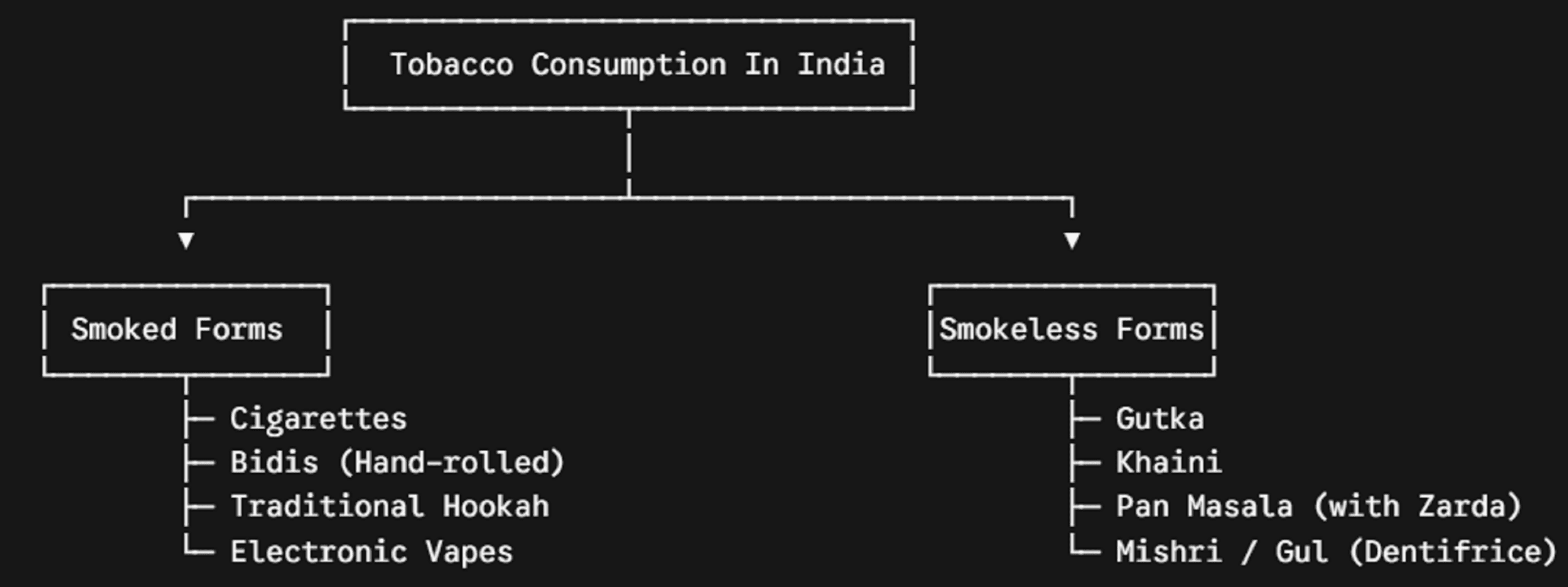
In India, tobacco consumption manifests in numerous distinct forms. Understanding these variations helps highlight that no single form is safer than another.
-
Cigarettes: Highly processed, filtered or unfiltered sticks containing shredded tobacco wrapped in paper, widely consumed in urban and semi-urban areas.
-
Bidi: A traditional, hand-rolled form where tobacco flakes are wrapped in a dried tendu leaf and secured with a thread. Bidis are deeply embedded in rural India and deliver high amounts of tar and carbon monoxide because they require more frequent puffs to keep burning.
-
Gutka: A dry, manufactured mixture of crushed betel nut, processed tobacco, slaked lime, and aromatic condiments. It is intensely habit-forming and highly destructive to the oral cavity.
-
Khaini: Sun-dried or fermented tobacco leaves crushed and mixed thoroughly with slaked lime, placed snugly between the lower lip and gums for prolonged absorption.
-
Pan Masala with Zarda: A preparation of betel leaf combined with processed aromatic elements and heavy doses of unrefined tobacco tobacco flakes.
-
Hookah: A traditional water-pipe system where tobacco smoke passes through a water chamber before inhalation. Despite common misconceptions, the water does not filter out volatile toxins.
-
Vaping and E-cigarettes: Modern electronic devices that heat a liquid solution typically containing synthetic nicotine, chemical flavorings, and solvents, creating an aerosol for inhalation.
The Deceptive Illusion of Smokeless Tobacco
A significant number of people across India mistakenly believe that chewing gutka or khaini is relatively harmless because it doesn’t involve smoke entering the lungs. This is an unsafe misconception.
Smokeless tobacco contains sharp, abrasive particles like slaked lime and glass dust that create microscopic tears in the soft mucous membranes of the mouth. This allows nicotine and a high concentration of cancer-causing nitrosamines to enter directly into the bloodstream. Smokeless tobacco bypasses the lungs but directly attacks the mouth, throat, digestive tract, and cardiovascular system.
3. Why Tobacco is Dangerous to Health: Systemic Damage
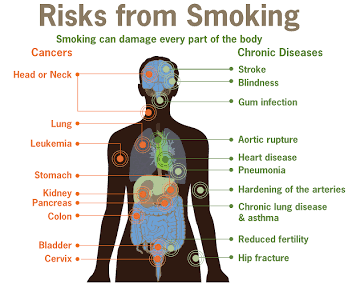
The physical consequences of sustained tobacco use are profound. Tobacco consumption alters cellular behavior, damages healthy tissues, and compromises the body’s natural defense mechanisms. According to data from the World Health Organization (WHO) and the Ministry of Health and Family Welfare (India), tobacco use remains one of the leading preventable causes of premature mortality worldwide, accounting for over 1.2 million adult fatalities annually in India alone.
1. Progressive Damage to Lung Health
The respiratory system bears a heavy burden from inhaled tobacco smoke. The human lungs are lined with millions of tiny, hair-like structures called cilia. These structures move in synchronized waves to clear out dust, mucus, and environmental pollutants.
Tobacco smoke paralyzes and eventually destroys these cilia. Without this natural cleaning mechanism, toxic particles settle deep within the air sacs (alveoli). Over time, this leads to chronic inflammation, destruction of elasticity, and conditions such as Chronic Obstructive Pulmonary Disease (COPD), chronic bronchitis, and emphysema. The lungs lose their ability to exchange oxygen efficiently, leaving the individual perpetually short of breath.
2. Cardiovascular Stress and Stroke Risk
Tobacco acts as a direct vasoconstrictor, causing blood vessels to narrow and tighten almost immediately upon consumption. This constriction forces the heart to work significantly harder to pump blood throughout the body, causing an elevation in blood pressure.
Furthermore, the chemicals in tobacco promote the accumulation of fatty plaques along the arterial walls—a condition known as atherosclerosis. When these plaques rupture or narrow the blood vessels significantly, they can trigger acute myocardial infarctions (heart attacks) or ischemic strokes, where blood flow to a segment of the brain is cut off.
3. The Unyielding Connection: Tobacco and Cancer
The link between tobacco and cancer is extensively documented. When cellular DNA is repeatedly exposed to the carcinogens present in tobacco, the genetic code can mutate, leading to unregulated cellular proliferation.
-
Lung Cancer: Smoking is responsible for the vast majority of lung cancer diagnoses globally, driven by the continuous irritation of bronchial tissues by tar and volatile carcinogens.
-
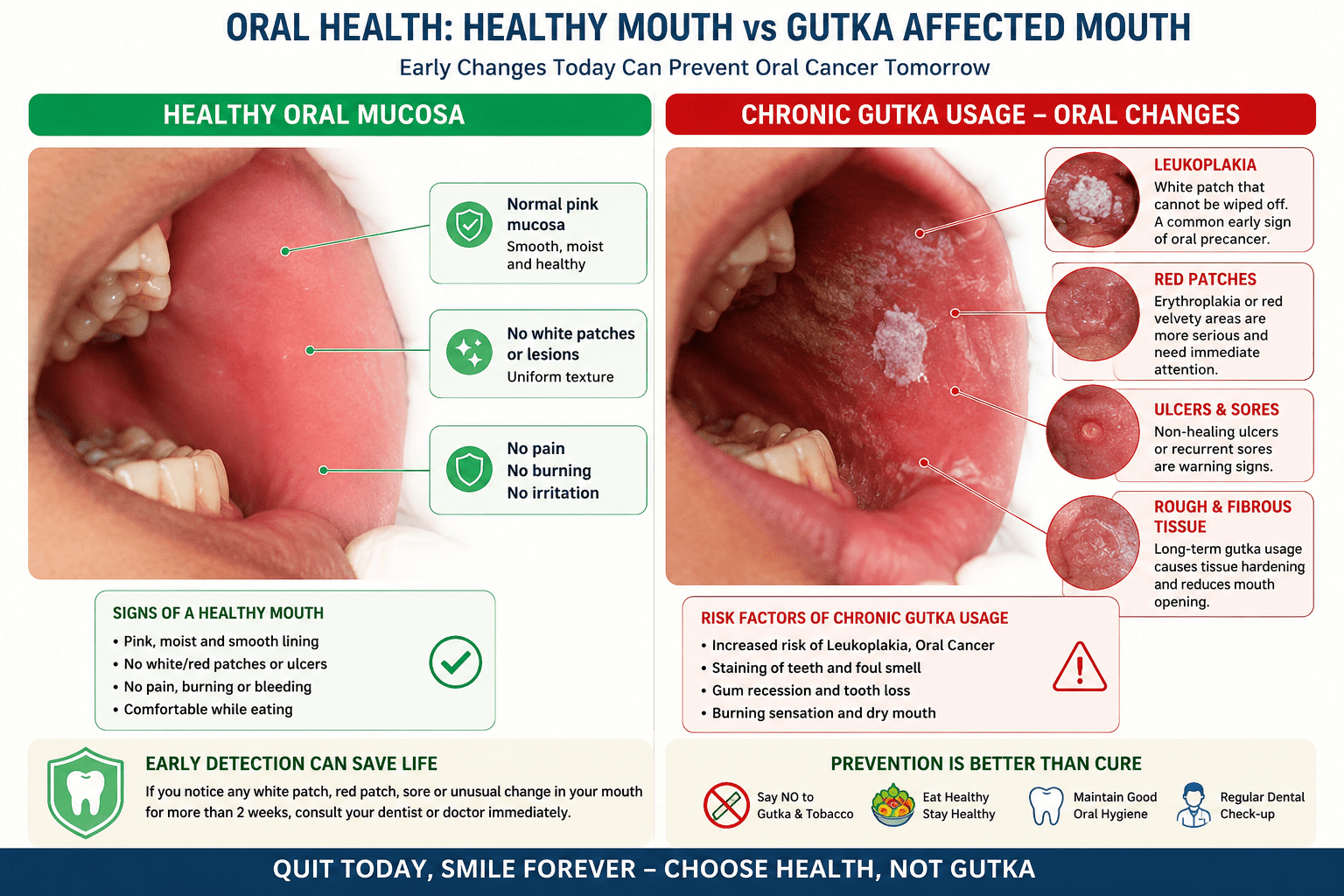
Oral Cancer Prevention: In India, oral squamous cell carcinoma is highly prevalent, largely driven by chewing habits. Oral cancer prevention begins with eliminating products like gutka and khaini, which cause chronic irritation, leading to precancerous white patches (leukoplakia) or red patches (erythroplakia) before developing into malignancy.
-
Other Cancers: Tobacco use also elevates the risk of malignancies in the esophagus, larynx, pancreas, urinary bladder, cervix, and stomach.
4. Immune Suppression, Energy Loss, and Psychological Impact
Tobacco compromises the body’s immune defenses, leaving individuals more vulnerable to common infections like tuberculosis and seasonal respiratory illnesses. Because carbon monoxide displaces oxygen in the bloodstream, muscles and organs receive less nourishment. This manifests as chronic fatigue, low physical stamina, and a noticeable lack of energy during everyday tasks.
The psychological impact is equally significant. Many users view tobacco as a stress reliever, but the substance itself creates structural anxiety. The fluctuation of nicotine levels in the blood induces a state of chemical stress, making the individual more irritable, anxious, and restless when a dose is delayed.
5. Reproductive Health and Passive Smoking
Tobacco use can impact fertility in both men and women, reducing sperm quality and altering hormonal balance. During pregnancy, maternal tobacco exposure or consumption restricts vital oxygen flow to the developing fetus, increasing the risks of low birth weight, premature birth, and developmental complications.
Additionally, secondhand smoke (passive smoking) places an unfair burden on non-smoking family members. Children raised in households with active smokers experience higher rates of asthma, lower respiratory tract infections, and middle-ear diseases. Choosing a tobacco cessation path protects both your health and the well-being of those around you.
4. World No Tobacco Day: A Global Movement for Health
Every year on 31 May, public health institutions, medical professionals, and communities worldwide unite to observe World No Tobacco Day. This global campaign serves to highlight the health risks associated with tobacco use and advocate for effective policies to reduce consumption.
History and Evolution of the Campaign
The initiative was established by the member states of the World Health Organization in 1987 to draw global attention to the tobacco epidemic and its preventable deaths. The initial resolution designated April 7, 1988, as “World No Smoking Day,” but it was later permanently moved to May 31st, expanding its scope to address all forms of tobacco consumption, including smokeless varieties.
Over the decades, the campaign has evolved from general awareness to focused initiatives targeting specific aspects of the tobacco trade, such as advocating for graphic health warnings on packaging, banning public advertising, and curbing illicit trade.
The Recent Focus: Protecting the Next Generation
The theme for World No Tobacco Day 2026 is “Unmasking the Appeal: Countering Nicotine and Tobacco Addiction.” This campaign focuses on how modern nicotine products are formulated and marketed to attract younger demographics.
By utilizing appealing flavor profiles, sleek electronic delivery designs, and digital media promotion, the industry seeks to establish a new generation of users. This year’s objective emphasizes the importance of equipping youth and families with the knowledge to recognize these tactics and access natural support systems for recovery.
What is World No Tobacco Day?
World No Tobacco Day is an annual global awareness campaign observed on 31 May. Established by the World Health Organization (WHO) in 1987, its purpose is to educate the public on the systemic dangers of tobacco use, expose deceptive industry marketing practices, and empower individuals to reclaim their health through effective, sustainable recovery paths.
5. Signs That Tobacco Addiction is Controlling Your Life
Addiction often develops subtly. It frequently begins as a casual habit before evolving into a core dependency that influences daily routines and choices. Identifying these behavioral and physical indicators can help you assess your relationship with tobacco objectively.
-
The Urgent Morning Craving: Needing to smoke a cigarette or place gutka in your mouth within the first 30 minutes of waking up is a clear sign of physical dependence. Your body is reacting to the drop in nicotine levels that occurred while you slept.
-
Irritability and Mood Changes: Feeling noticeably restless, anxious, or impatient when you are in a tobacco-free environment—such as during a long meeting, a family gathering, or a train journey—indicates that nicotine is influencing your emotional balance.
-
Structuring Your Schedule Around Consumption: Planning your day, breaks, or travel routes around opportunities to purchase or use tobacco suggests the habit is directing your routine.
-
Unsuccessful Quitting Attempts: Having a sincere desire to stop, making promises to loved ones, or attempting to quit for a few days, only to return to the habit when facing minor stress, highlights the strength of the addiction.
-
Persistent Physical Symptoms: Continuing to consume tobacco despite experiencing warning signs like chronic cough, bleeding gums, oral pain, or reduced stamina is a clear indicator that dependency is overriding your health priorities.
Acknowledging these signs is a step toward recovery. It shifts the focus from self-judgment to an objective understanding that your body is dealing with a chemical dependency that requires a systematic, supportive solution.
6. How Anyone Can Quit Tobacco Naturally: A Step-by-Step Blueprint
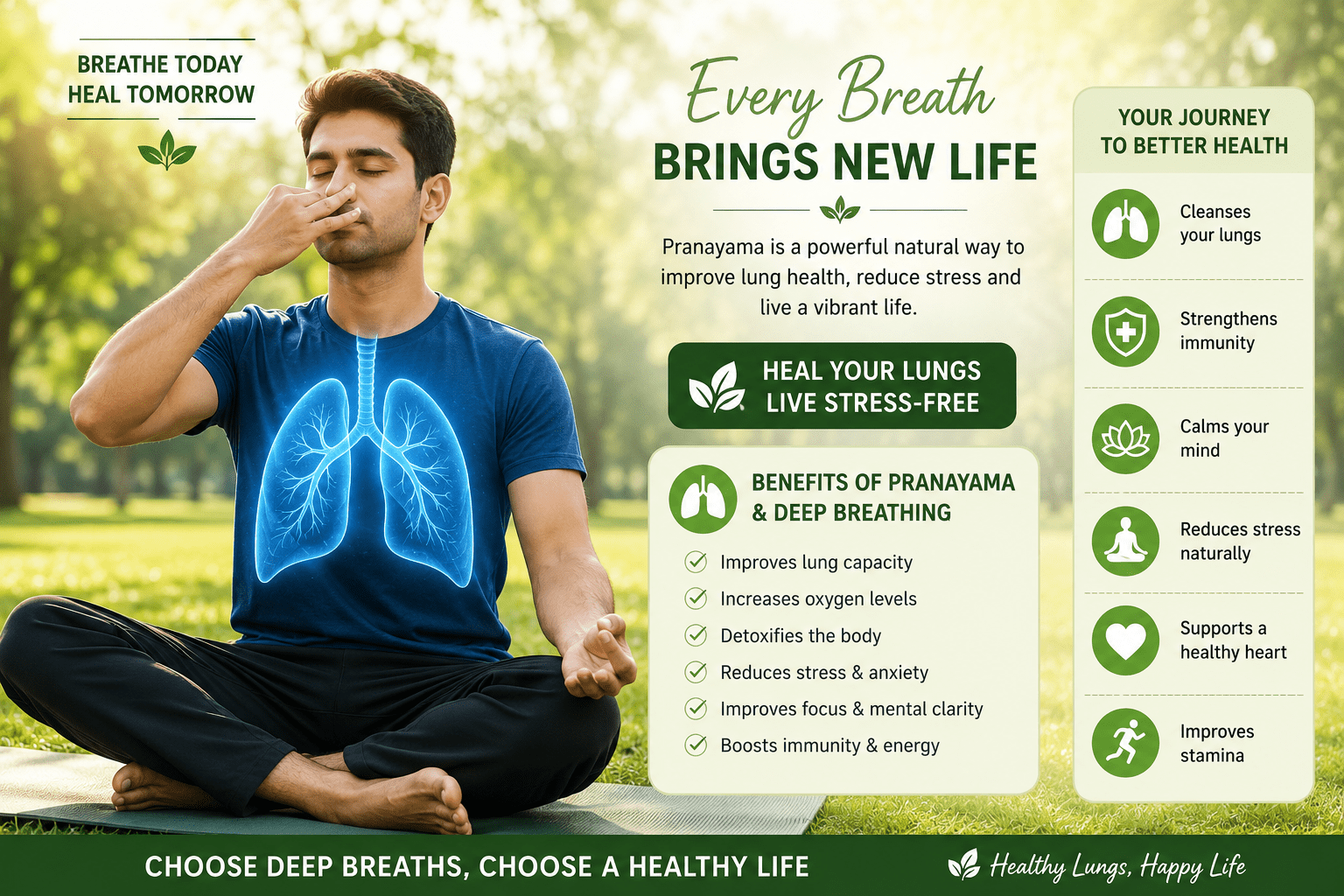
Choosing to quit tobacco naturally involves adjusting daily habits, supporting your body’s physiology, and mental preparation. It is a gradual process of retraining your mind and body to function optimally without relying on a chemical crutch.
1. Define Your Purpose and Set a Clear Strategy
Begin by identifying your specific reasons for quitting. Whether you want to preserve your lung health, protect your family from passive smoke, or regain personal independence, write these motivations down. Choose a specific date within the next two weeks to begin your tobacco-free journey. This provides adequate time to prepare mentally without causing undue anxiety.
2. Identify and Manage Daily Triggers
Cravings are often linked to specific routines, such as your morning cup of tea, driving, or socializing after work. Once you recognize these triggers, modify the associated behavior. For example, if you typically smoke after meals, replace that habit with a 5-minute walk or rinse your mouth with a refreshing herbal wash immediately after eating.
3. Adjust Your Nutrition and Hydration
When your body is clearing out built-up toxins, proper nutrition supports the recovery process.
-
Increase Water Intake: Drinking water helps accelerate the filtration and elimination of residual nicotine through your kidneys. When a sudden craving strikes, drinking a large glass of water slowly can help manage the immediate urge.
-
Incorporate Alkaline Foods: Diets rich in fresh green vegetables, sprouts, almonds, and citrus fruits can alter systemic pH levels, which some studies suggest may help reduce the intensity of nicotine cravings.
-
Avoid High-Sugar and Processed Foods: Fluctuations in blood sugar can trigger anxiety and irritability, which your brain may mistake for a tobacco craving.
4. Practice Deep Breathing and Mindfulness
Nicotine addiction convinces the nervous system that tobacco is necessary for relaxation. When you experience a craving, your heart rate increases and your breathing becomes shallow. You can counteract this response by practicing deep diaphragmatic breathing. Inhale deeply through your nose for 4 seconds, hold for 4 seconds, and exhale slowly through your mouth for 6 seconds. This stimulates the vagus nerve, lowering your heart rate and helping to calm the nervous system naturally.
   ┌────────────────────────────────────────────────────────┐
   │             THE 4-4-6 DEEP BREATHING CYCLE             │
   └────────────────────────────────────────────────────────┘
     Inhale Deeply (Nose)   -->   Hold Your Breath   -->   Exhale Slowly (Mouth)
        [ 4 Seconds ]               [ 4 Seconds ]             [ 6 Seconds ]
5. Utilize Physical Activities and Hobbies
Regular physical activity like brisk walking, cycling, or yoga poses such as Surya Namaskar and Pranayama stimulates the natural release of endorphins—the body’s inherent mood elevators. These endorphins help fill the dopamine gap left by the absence of nicotine, easing restlessness and supporting physical stamina. Keep your hands and mouth occupied by using natural alternatives like chewing on fennel seeds (saunf), carom seeds (ajwain), or small pieces of dried ginger.
How to Quit Tobacco Naturally?
To quit tobacco naturally, combine structured behavioral changes with healthy lifestyle adjustments. Set a firm quit date, identify your specific environmental triggers, maintain high hydration levels to flush out residual toxins, and manage stress through targeted deep breathing and regular physical exercise. Supplementing this process with individualized, natural homoeopathic treatment can help manage core cravings and support emotional stability safely.
7. Understanding and Managing Tobacco Withdrawal Symptoms
When you stop supplying your body with nicotine, your system begins a process of recalibration. This adjustment phase causes tobacco withdrawal symptoms, which are normal signs that your body is clearing out toxins and restoring balance.
Common Signs of Withdrawal
-
Intense Chemical Cravings: The brain actively seeks the missing dopamine trigger, resulting in short, intense waves of desire for tobacco. These urges typically peak within 3 to 5 minutes before subsiding.
-
Irritability and Fluctuating Moods: As your body adapts to lower nicotine levels, you may experience brief periods of impatience, anxiety, or unprovoked frustration.
-
Physical Discomfort: You might experience mild tension headaches, lightheadedness, or temporary changes in digestion, such as mild constipation, as your gastrointestinal tract adjusts.
-
Restlessness and Altered Sleep: Your nervous system may remain heightened for a few days, leading to temporary difficulties falling asleep or vivid dreams.
The Temporary Nature of the Recovery Phase
It is important to remember that these symptoms are entirely temporary. The most intense physical discomfort typically peaks within the first 48 to 72 hours after your last use. Over the next two to three weeks, as the residual nicotine clears from your system, the frequency and intensity of these symptoms decrease significantly.
View withdrawal symptoms not as a permanent obstacle, but as a sign of your body restoring its natural balance. Each craving you manage represents a step closer to long-term health.
What are Tobacco Withdrawal Symptoms?
Tobacco withdrawal symptoms are temporary physiological and psychological changes that occur when nicotine consumption stops. They commonly include physical cravings, irritability, tension headaches, temporary sleep disturbances, anxiety, and difficulty focusing. These signs typically peak within the first 3 days and gradually resolve over 2 to 3 weeks as the body restores its natural metabolic balance.
8. How Homoeopathy Helps in Quitting Tobacco Safely
While lifestyle adjustments provide a strong foundation, the psychological cravings and underlying irritability can still present a challenge. This is where homoeopathy for tobacco addiction offers a supportive, complementary pathway.
 ┌─────────────────────────────────────────────────────────────────────────┐
 │               THE HOLISTIC HOMEOPATHIC RECOVERY MODEL                   │
 ├─────────────────────────────────────────────────────────────────────────┤
 │  • Evaluates Personal Stressors & Emotional Triggers                    │
 │  • Eases Neurovascular Irritability & Withdrawal Headaches              │
 │  • Manages Deep-Seated Oral & Respiratory Cravings Naturally            │
 │  • Supports General Vitality Without Creating Dependency                │
 └─────────────────────────────────────────────────────────────────────────┘
The Constitutional and Individualized Approach
Homoeopathy does not utilize a generic, one-size-fits-all approach to addiction treatment. It operates on the core principle of individualization. Two individuals experiencing tobacco addiction may have very different underlying triggers.
One person might turn to cigarettes to manage career-related anxiety, while another may use gutka out of habit or to assist with sluggish digestion. A qualified homoeopathic practitioner evaluates the patient’s physical symptoms along with their emotional state, stress triggers, and general constitution to select an appropriate remedy.
Addressing the Root Triggers of Dependency
Homoeopathic remedies are prepared from natural sources through a process of potentization, rendering them gentle and non-habit-forming. They do not introduce synthetic chemicals or small doses of nicotine into your system. Instead, they work by helping to balance the nervous system, which can help reduce the intensity of acute cravings, soothe withdrawal-related irritability, and support overall emotional stability.
By addressing both the physical dependency and the underlying emotional stressors, homoeopathy supports a sustainable, long-term recovery process, helping individuals maintain their commitment to health without creating new dependencies.
A Vital Clinical Note: Homoeopathic medicines are highly individualized and should only be taken under the direct guidance of a qualified medical professional. Self-medication can delay effective recovery, as an experienced doctor is needed to determine the correct selection, potency, and dosage schedule tailored to your unique health profile.
9. Best Homoeopathic Medicines for Tobacco Addiction
In homoeopathic practice, several remedies are recognized for their ability to support patients during tobacco cessation. Below is a detailed review of the primary medicines used, highlighting their specific symptom indications and patient profiles.
1. Caladium Seguinum
-
Primary Indications: This is one of the most frequently indicated remedies for individuals looking to address a deep-seated tobacco dependency, particularly when accompanied by respiratory or cardiac irritation.
-
Key Symptom Profiles: The patient often experiences a persistent, nervous cough or a fluttering sensation around the heart, directly linked to long-term tobacco use. It is especially suited for individuals who experience a strong craving for tobacco when stressed, but find that consuming it leads to headaches or gastric discomfort. It helps manage the underlying nervous irritability and modifies the system’s craving for nicotine.
2. Quercus Glandium Spiritus
-
Primary Indications: This remedy is often considered when tobacco addiction coexists with other strong habit dependencies, or when the patient displays signs of metabolic sluggishness.
-
Key Symptom Profiles: It is well-suited for patients who experience physical effects from long-term toxin exposure, such as chronic indigestion, a heavy sensation in the abdomen, or liver sluggishness. It helps clear metabolic wastes and helps stabilize the intense, impulsive cravings that often lead to relapses during early recovery.
3. Nux Vomica
-
Primary Indications: An excellent remedy for the modern, high-stress lifestyle, Nux Vomica is often indicated for individuals who use tobacco as a stimulant to cope with intense workloads, irregular routines, or mental fatigue.
-
Key Symptom Profiles: The typical Nux Vomica patient is ambitious, easily angered, and highly sensitive to external stimuli like loud noises or strong lights. They often suffer from chronic acidity, morning heartburn, and stubborn constipation due to excessive consumption of tobacco, coffee, or spicy food. This remedy helps calm an overstimulated nervous system and regulates the digestive tract, easing the irritability associated with withdrawal.
4. Tabacum
-
Primary Indications: Developed according to the homoeopathic principle of Similia Similibus Curentur (like cures like), this remedy is highly effective for addressing the acute physical distress caused by nicotine withdrawal.
-
Key Symptom Profiles: It is indicated when a patient experiences symptoms that mimic tobacco overexposure, such as severe nausea, dizziness, cold sweating, a sinking feeling in the stomach, and unsteady blood pressure during the initial days of quitting. It helps stabilize the neuro-vascular system, making the early phases of withdrawal more manageable.
5. Lobelia Inflata
-
Primary Indications: This remedy has a specific affinity for the respiratory system and is frequently chosen when tobacco withdrawal triggers respiratory anxiety.
-
Key Symptom Profiles: The patient often describes a sensation of constriction in the chest, a chronic dry cough, or a feeling of emptiness in the stomach that drives the urge to smoke. Lobelia helps ease this respiratory tension, promoting more relaxed breathing and reducing the visceral craving for inhalation.
6. Sulphur
-
Primary Indications: Often utilized as a deep-acting constitutional remedy, Sulphur is suitable for individuals with long-standing addictions who require systemic detoxification.
-
Key Symptom Profiles: These individuals may experience chronic skin irritation, localized burning sensations in the soles of the feet or palms, and a tendency to feel uncomfortably warm. They may also have yellow-stained teeth, bad breath, and a history of ignoring their health. Sulphur helps stimulate the body’s natural detoxification mechanisms and assists in breaking long-term habit patterns.
7. Staphysagria
-
Primary Indications: This remedy is indicated when the root cause of the tobacco addiction is tied to suppressed emotions, unresolved grief, or hidden psychological stress.
-
Key Symptom Profiles: The patient is often gentle, sensitive, and naturally inclined to internalize emotional distress, using tobacco as an emotional shield against frustration or slights. Staphysagria helps address this underlying emotional vulnerability, reducing the need for an external coping mechanism.
8. Arsenicum Album
-
Primary Indications: This remedy is highly effective for managing acute anxiety, restlessness, and health-related fears during the withdrawal period.
-
Key Symptom Profiles: The patient tends to be meticulous, highly orderly, and experiences increased anxiety at night. They often worry extensively about their long-term health and may experience burning gastric pains that improve with warm drinks. Arsenicum Album helps soothe this structural anxiety, allowing the patient to approach recovery with a calm and focused mindset.
Important Safety Note: The medicinal profiles described above are for educational and awareness purposes only. Homoeopathic treatment requires precise evaluation of potencies (such as 30C, 200C, or Mother Tinctures) and careful adjustment based on your progress. To ensure a safe and effective recovery, medicines must be taken only under the guidance of a qualified homoeopathic doctor.
10. Healthy Lifestyle Tips to Stay Tobacco-Free for Life
Achieving freedom from tobacco is a significant milestone; maintaining it over the long term involves building a lifestyle that supports your ongoing well-being.
-
Establish a Restorative Exercise Routine: Dedicate 30 minutes each day to activities like brisk walking, cycling, or light jogging. Physical exercise helps clear residual toxins from your lungs, improves circulation, and stimulates endorphins that naturally support your mood.
-
Incorporate Targeted Pranayama: Practice structured yogic breathing exercises such as Anulom Vilom (alternate nostril breathing) and Kapalbhati. These practices help strengthen your respiratory muscles, clear your airways, and restore vital lung capacity.
-
Incorporate Calming Herbal Infusions: Replace habitual smoking or chewing breaks with herbal teas made from ginger, tulsi, or mint. These drinks provide a healthy alternative routine and contain natural antioxidants that help soothe an irritated digestive tract.
-
Focus on Family Bonding and Positive Connections: Share your recovery goals with family members and close friends. Spending quality time with your children, spouse, or supportive peers provides emotional stability and reduces the impact of stress-related triggers.
-
Engage in Rewarding Activities: Reinvest the time and money previously spent on tobacco into engaging hobbies, such as reading, gardening, playing a musical instrument, or volunteering. These activities keep your mind occupied and provide a healthy sense of fulfillment.
-
Incorporate a Brief Digital Detox: Spend less time on digital devices, especially during late-night hours. Reducing blue light exposure helps normalize your body’s melatonin production, leading to better sleep quality and reduced morning irritability.
11. The Timeline of Healing: What Happens When You Quit Tobacco
The human body possesses a remarkable capacity for recovery. The moment you discontinue tobacco use, your physiology begins to repair itself. Below is a detailed timeline of the health improvements you can expect during your recovery journey.
                       RECOVERY TIMELINE

  24 HOURS           1 WEEK             1 MONTH           1 YEAR+
 ┌─────────┐        ┌─────────┐        ┌─────────┐       ┌─────────┐
 │ Carbon  │        │ Taste & │        │ Lung    │       │ Heart   │
 │ Monoxide│        │ Smell   │        │ Cilia   │       │ Disease │
 │ Drops   │        │ Improve │        │ Rebuild │       │ Risk    │
 │ Normal  │        │ Normal  │        │ Cleanse │       │ Halved  │
 └────┬────┘        └────┬────┘        └────┬────┘       └────┬────┘
      ▼                  ▼                  ▼                 ▼
Detailed Physiological Progress
| Time Elapsed | Internal Health Changes & Benefits |
| After 24 Hours | Blood levels of carbon monoxide drop back to a normal baseline, allowing your red blood cells to carry oxygen efficiently. Your blood pressure and pulse rate begin to stabilize, reducing immediate strain on your heart. |
| After 1 Week | The nerve endings responsible for taste and smell begin to recover, allowing you to enjoy the natural flavors of food again. Your breath becomes fresher, and the microscopic air sacs in your lungs start to clear out accumulated debris. |
| After 1 Month | The protective cilia lining your lungs begin to rebuild, restoring their ability to clear out mucus and foreign particles. You will notice a reduction in your morning cough, a significant increase in energy levels, and improved physical stamina during daily activities. |
| After 1 Year | Your excess risk of developing coronary heart disease is reduced by half compared to when you were actively using tobacco. Your lung function shows measurable improvement, and your vulnerability to seasonal respiratory infections drops noticeably. |
| Long-Term Benefits (5 to 10 Years) | Your risk of developing oral cancer, esophageal cancer, and stroke drops significantly, approaching that of a lifetime non-user. You will also experience meaningful financial savings and the peace of mind that comes with protecting your family from secondhand smoke. |
12. Frequently Asked Questions (FAQ)
Can homoeopathy help quit smoking?
Yes, homoeopathy can be an effective support system for individuals looking to quit smoking. It uses a holistic approach to address both the physical cravings for nicotine and the emotional triggers, such as anxiety, stress, and restlessness, that often lead to smoking. Remedies are non-habit-forming and tailored to each individual’s specific health profile.
How long do tobacco withdrawal symptoms last?
The most acute physical withdrawal symptoms typically peak within the first 48 to 72 hours after your last use. Most symptoms, including headaches, irritability, and mild anxiety, gradually resolve over a period of 2 to 3 weeks as your body adjusts to functioning without nicotine.
Is gutka more dangerous than cigarettes?
Both forms of tobacco pose serious health risks. However, gutka and other smokeless varieties are directly linked to high rates of oral submucous fibrosis and oral cancer in India. This is because the tobacco remains in direct, prolonged contact with the delicate inner lining of the mouth.
Can lungs heal after quitting smoking?
Yes, your lungs have a significant capacity to repair themselves once you stop smoking. Within weeks, the microscopic cilia clear out built-up tar and mucus, reducing inflammation. While severe structural scarring from long-term conditions like advanced emphysema may be irreversible, your overall lung function and oxygen exchange will improve over time.
Which homoeopathic medicine reduces nicotine craving?
Remedies like Caladium Seguinum and Tabacum are frequently utilized in homoeopathic practice to help manage nicotine cravings and the physical distress associated with withdrawal. The selection of the appropriate medicine depends on a comprehensive evaluation of the patient’s individual symptoms.
Is quitting tobacco suddenly (cold turkey) dangerous?
Quitting tobacco abruptly is not physically dangerous, but it can cause sudden, intense withdrawal symptoms such as irritability, anxiety, and headaches. Incorporating natural lifestyle adjustments and homoeopathic support can help manage these sudden symptoms, making the transition smoother and more sustainable.
Can passive smoking affect my children’s health?
Yes, passive smoking poses real health risks to children. Regular exposure to secondhand smoke increases their vulnerability to respiratory issues, including asthma flare-ups, bronchitis, pneumonia, and middle ear infections, as their respiratory and immune systems are still developing.
Is vaping safer than traditional cigarettes?
No, vaping is not a safe alternative. E-cigarettes contain processed nicotine, volatile chemicals, and heavy metals that can cause acute lung irritation and damage cardiovascular health. True health recovery involves moving away from all forms of chemical nicotine delivery.
What is the best natural way to quit tobacco?
The most effective natural approach combines clear mental preparation, healthy dietary choices, high hydration levels, daily exercise, and stress-management practices like yoga and deep breathing. Adding professional homoeopathic guidance helps address underlying cravings and supports emotional balance safely.
How long does nicotine stay in the body?
Nicotine itself typically clears from the bloodstream within 48 to 72 hours after your last use. However, its primary metabolic byproduct, cotinine, can remain detectable in urine, saliva, and hair tissue for up to several days or weeks, depending on the duration and frequency of previous use.
13. People Also Ask (PAA)
Which is harder to quit: smoking or gutka?
Both habits present unique challenges due to nicotine dependency. Chewing gutka is often structurally difficult to break because the substance is held in the mouth for long periods, creating a strong sensory habit alongside the chemical addiction. However, both can be managed effectively with a systematic approach combining behavioral changes and personalized homoeopathic care.
Can damaged lungs recover after quitting tobacco?
Yes, your lungs begin to clear out debris and reduce tissue inflammation shortly after your last use. While long-term, heavy use can cause chronic scarring, stopping tobacco prevents further damage and allows your healthy lung tissue to maximize its oxygen exchange capacity, noticeably improving your stamina.
Is nicotine addiction physical or mental?
Nicotine addiction involves both physical and psychological components. Physically, your brain adapts to regular dopamine spikes triggered by nicotine. Psychologically, the habit becomes connected to daily routines, stress management, and emotional patterns. A successful recovery plan must address both aspects.
What happens after 30 days without smoking?
By day 30, the physical addiction to nicotine is largely broken. Your lung capacity increases, breathing becomes easier, your morning cough decreases, and physical stamina improves. Your circulation also enhances, leading to better skin health and a fresher sense of taste and smell.
Can homoeopathy reduce tobacco cravings naturally?
Yes, homoeopathy addresses cravings naturally by using potentized remedies that support nervous system balance. Rather than introducing synthetic chemicals, it helps ease the underlying anxiety and physical restlessness associated with withdrawal, helping your body return to its natural equilibrium.
14. A Path to Renewal: A Compassionate Conclusion
Overcoming a tobacco addiction is more than a lifestyle change; it is an act of profound self-respect and a gift of long-term health to the family that relies on you. It is entirely normal to feel uncertain or anxious about taking this first step. Addiction often convinces the mind that life cannot be enjoyed or managed without it. But as an experienced clinician, I assure you that this is simply the voice of the dependency speaking. Your body is designed for vitality, clarity, and health.
Every packet of gutka left unopened and every cigarette left unlit represents a conscious choice to prioritize your future, your finances, and your loved ones. This World No Tobacco Day, let us look past the brief appeal of temporary habits and focus on the lasting value of a healthy life. With patience, a supportive household, positive lifestyle routines, and the gentle, individualized care of homoeopathy, you can break free from dependency and step into a healthier, brighter future.
15. Your Step Towards Recovery: Call To Action (CTA)
If you or a loved one is ready to overcome an addiction to smoking, gutka, khaini, or any form of tobacco, take that important first step today. At Suman Homoeo Clinic, we provide compassionate, personalized homoeopathic care tailored to your unique physical and emotional needs, supporting a natural and sustainable recovery.
-
Official Website: https://sumanhomoeoclinic.com
-
Contact Number: 9871706376
-
WhatsApp Support: 9818829943
-
Clinic Address & Appointments: Shop no. 21 Street no. 21, Molarband Extn., Badarpur New Delhi 110044| Every Morning 10:00 am to 1:00 pm
Consultation is available both in-person at our clinic and through secure online digital platforms.
16. Medical Disclaimer
This comprehensive article is intended strictly for educational, informational, and general public awareness purposes. It does not constitute formal medical diagnosis, individual prescription, or direct clinical advice. Homoeopathic remedies are highly individualized and vary based on a patient’s specific condition, vitality, and health history. Always consult a qualified homoeopathic doctor or healthcare professional before starting any treatment plan or making major changes to your medical care.